
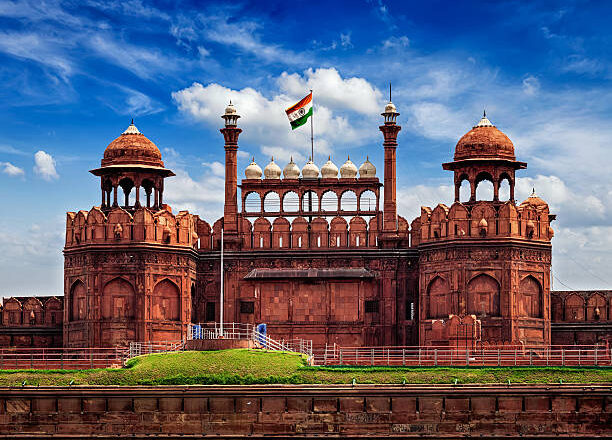
The Majestic Red Fort of Delhi: A Symbol of India’s Glorious Past
Standing proudly in the heart of India’s capital, the Red Fort (Lal Qila) is much more than just a historical monument. It is a symbol of India’s rich heritage, resilience, and sovereignty—a vibrant testament to the Mughal Empire’s architectural genius and India’s journey to independence.
🏰 A Glimpse into History
The Red Fort was commissioned by the fifth Mughal emperor, Shah Jahan, in 1638, when he decided to shift his capital from Agra to Delhi. Constructed over nine years, this sprawling fortress was the seat of Mughal power for over 200 years. It was here that emperors ruled, celebrated victories, and lived amidst exquisite palaces, lush gardens, and stunning halls.
🧱 Architectural Marvel
True to its name, the fort is predominantly built from red sandstone, giving it a distinctive, majestic appearance. The design beautifully blends Persian, Timurid, and Indian architectural styles—characterized by massive walls, intricate carvings, grand gateways, and delicate marble inlays.
Key Highlights Inside the Fort
-
Lahore Gate: The main entrance, adorned with impressive battlements and an arched gateway, this gate sets the tone for the grandeur inside. It’s also the focal point for the annual Independence Day flag hoisting ceremony.
-
Diwan-i-Aam (Hall of Public Audience): Here, the emperor met with his subjects and listened to their grievances. The hall features a stunning marble throne and beautifully carved arches.
-
Diwan-i-Khas (Hall of Private Audience): A more intimate space for the emperor’s private meetings with nobles and dignitaries. Its iconic Peacock Throne, which was later looted, once stood here.
-
Mumtaz Mahal: A cluster of beautiful marble buildings along the Yamuna River, once the residence of royal women.
-
Rang Mahal: Known as the “Palace of Colors,” it was decorated with stunning frescoes and precious stones.
-
Moti Masjid: The “Pearl Mosque” within the fort complex, built by Shah Jahan for his personal prayers.
🏛️ Symbol of Freedom
The Red Fort holds a special place in India’s modern history. On August 15, 1947, the first Prime Minister, Jawaharlal Nehru, hoisted the Indian national flag here, marking India’s independence from British rule. Since then, every year on Independence Day, the Prime Minister addresses the nation from the fort’s ramparts—a tradition that continues to inspire millions.
🌿 Gardens and Surroundings
The fort is surrounded by well-maintained gardens like the Hayat Bakhsh Bagh (Life-Bestowing Garden), adding to the serenity and charm of the historic site. The lush greenery and reflective pools offer a peaceful escape from the bustling city outside.
Visiting Tips
-
Location: Chandni Chowk, Old Delhi
-
Opening Hours: 9:30 AM to 4:30 PM (closed on Mondays)
-
Entry Fee: ₹35 for Indian citizens, ₹550 for foreign nationals
-
Best Time to Visit: October to March for pleasant weather
-
Light and Sound Show: Experience the fort’s history come alive in the evening through spectacular shows.
Why You Should Visit
The Red Fort is not just a monument; it’s an experience. Walking through its massive gates and corridors, you step into a world of royal grandeur, intricate artistry, and stories of bravery and resilience. Whether you’re a history buff, architecture enthusiast, or cultural traveler, the Red Fort promises a deeply enriching visit.
Final Thoughts
As a UNESCO World Heritage Site, the Red Fort remains a shining jewel in India’s crown. It stands as a timeless reminder of India’s imperial past and its hard-won independence, inspiring pride and reverence in the hearts of millions.
So next time you’re in Delhi, make sure to explore the Red Fort — a magnificent gateway to India’s glorious history.