
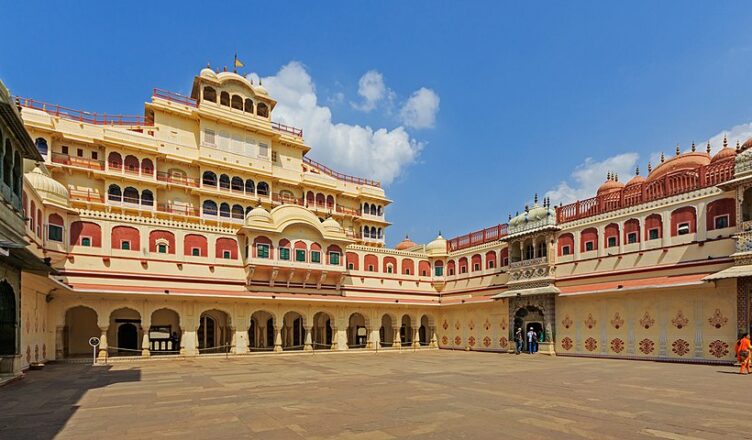
The City Palace, Jaipur – A Royal Walk Through Time
In the heart of Jaipur’s walled city lies a magnificent blend of Mughal grace and Rajput grandeur – The City Palace. It’s not just a palace; it’s a living legacy of Rajasthan’s royal history. While Jaipur is dotted with forts, temples, and bazaars, The City Palace is where the soul of the Pink City truly resides.
On my recent trip to Jaipur, this was one stop that stole my heart – not just for its architecture, but for the sheer opulence and quiet dignity it exudes.
🏰 A Royal Beginning
The City Palace was commissioned by Maharaja Sawai Jai Singh II in 1727, the same year he founded Jaipur. Over the centuries, various rulers added to its architecture, resulting in a unique blend of Rajput, Mughal, and European styles.
What makes it special is that it’s still home to the Jaipur royal family. Yes — a section of the palace is private and off-limits to visitors, but the rest is open and beautifully maintained as a museum and heritage complex.
🕌 What to See Inside the City Palace
1. Mubarak Mahal (The Welcome Palace)
This white marble marvel now houses the textile museum, displaying royal costumes, turbans, and intricately embroidered garments. One of the highlights? The massive robe of Sawai Madho Singh I — who reportedly weighed over 250 kg!
2. Chandra Mahal
The heart of the palace complex, Chandra Mahal is a seven-storey building with stunning views of the city. While most of it is the private residence of the royal family, the ground floor is open to visitors and showcases rare paintings, manuscripts, and antique furniture.
3. Pritam Niwas Chowk – The Four Iconic Gates
Perhaps the most Instagrammed spot in Jaipur, this courtyard has four stunningly painted doorways, each representing a season and dedicated to a Hindu god:
-
Peacock Gate – Autumn (Lord Vishnu)
-
Lotus Gate – Summer (Lord Shiva-Parvati)
-
Green Gate – Spring (Lord Ganesha)
-
Rose Gate – Winter (Goddess Devi)
Each gate is a masterpiece of color, symmetry, and symbolism.
4. Diwan-i-Khas & Diwan-i-Aam
These are the royal audience halls, featuring massive silver urns (listed in the Guinness Book of World Records!) and intricately painted ceilings. This is where the kings met ministers and dignitaries — and you can still feel the weight of history in the silence of these halls.
5. The Armory Museum
If you’re into weapons and warfare, don’t miss the armory collection. It showcases an impressive array of swords, daggers, and shields from different eras.
🕒 Visitor Information
-
Timings: 9:30 AM – 5:00 PM (Daily)
-
Entry Fee:
-
Basic Ticket: ₹200 (Indians), ₹700 (Foreigners)
-
Museum Combo Ticket: ₹500–₹3,000 depending on access level
-
Children & Students: Discounts available
-
-
Location: Jaleb Chowk, Jaipur (Inside the old city)
Tip: For a luxurious experience, consider the Royal Grandeur Tour, which gives access to the private sections of Chandra Mahal (with a personal guide).
📸 Best Photo Spots
-
Pritam Niwas Chowk (all four seasonal gates!)
-
Mubarak Mahal’s arched corridors
-
Courtyard views of Chandra Mahal
-
The grand silver urns in Diwan-i-Khas
-
The palace rooftops (available in guided tours)
📝 Tips for Visiting
-
Go Early: It gets crowded fast, especially the gates.
-
Hire a Guide or Audio Tour: The palace has a deep history that’s easy to miss without context.
-
Dress Modestly & Comfortably: You’ll be doing a lot of walking.
-
Pair with Nearby Spots: Jantar Mantar is right next door, and Hawa Mahal is a short walk away.
✨ Final Thoughts
The City Palace isn’t just Jaipur’s crown jewel — it’s a living palace where past and present coexist. With every painted doorway and marble corridor, you’re not just seeing architecture; you’re stepping into centuries of stories, tradition, and regal splendor.
Whether you spend an hour or a whole day here, the City Palace will leave you awe-inspired — and perhaps even a little humbled by its grace.